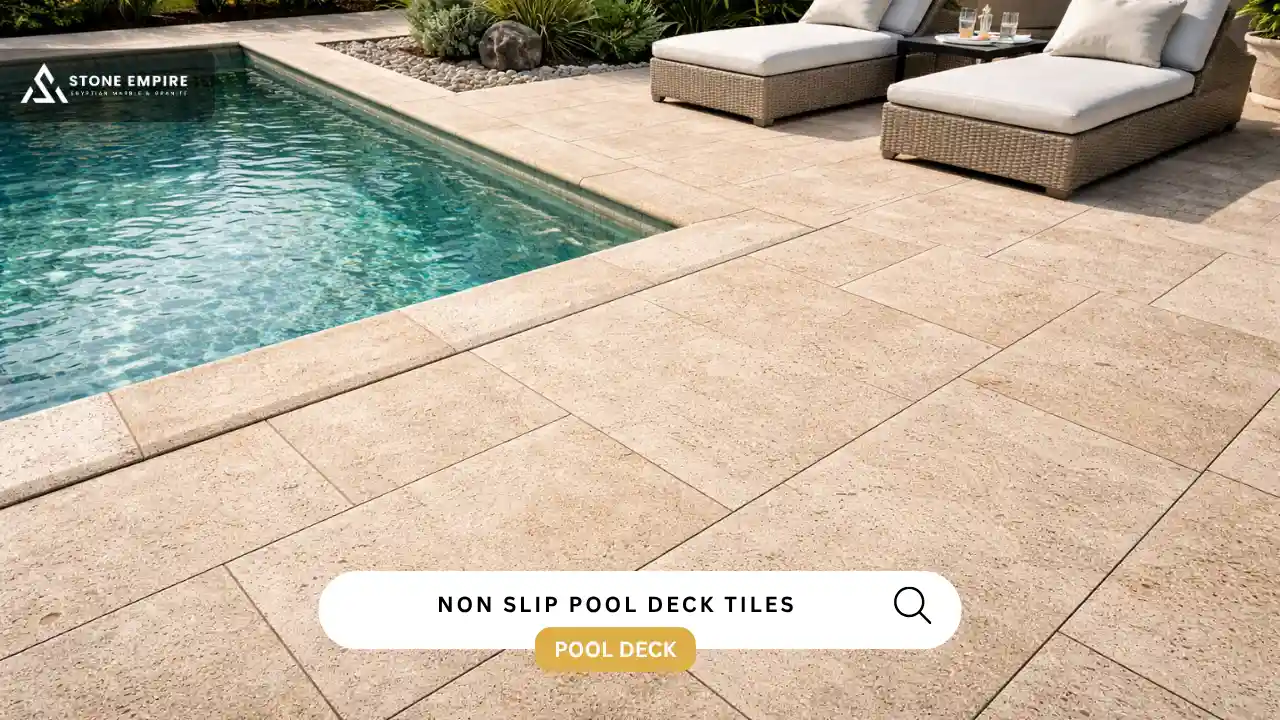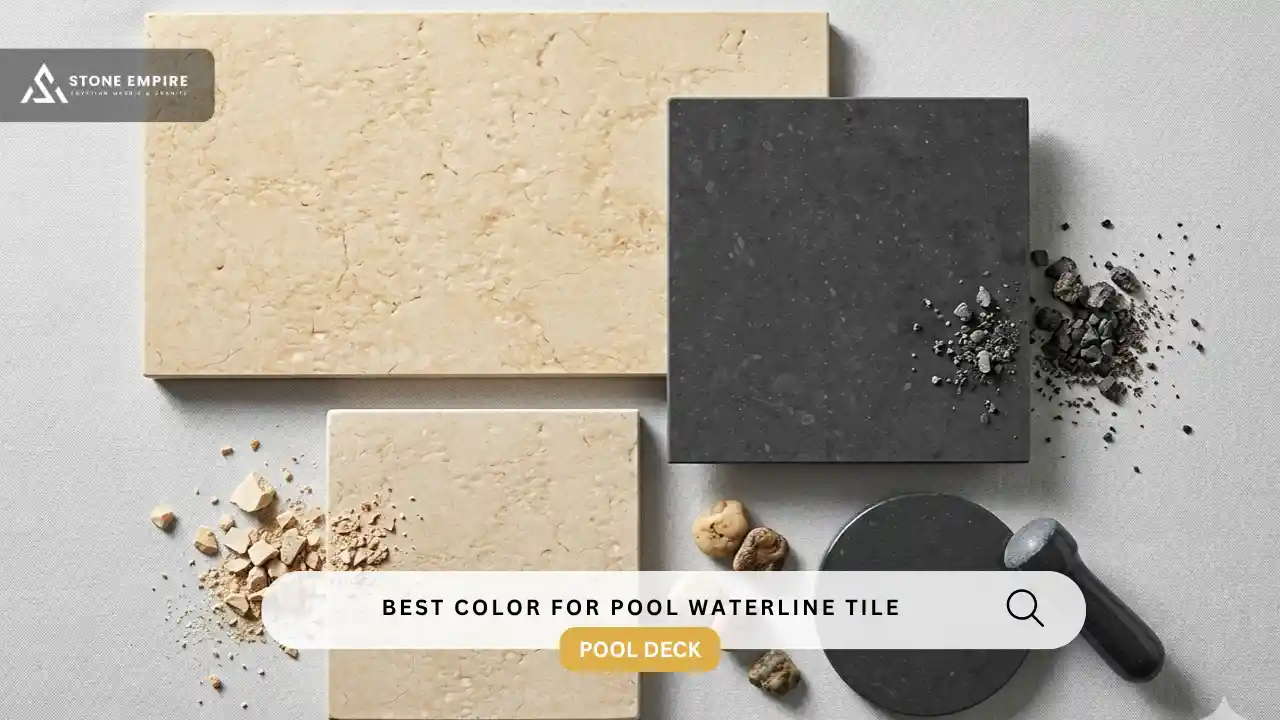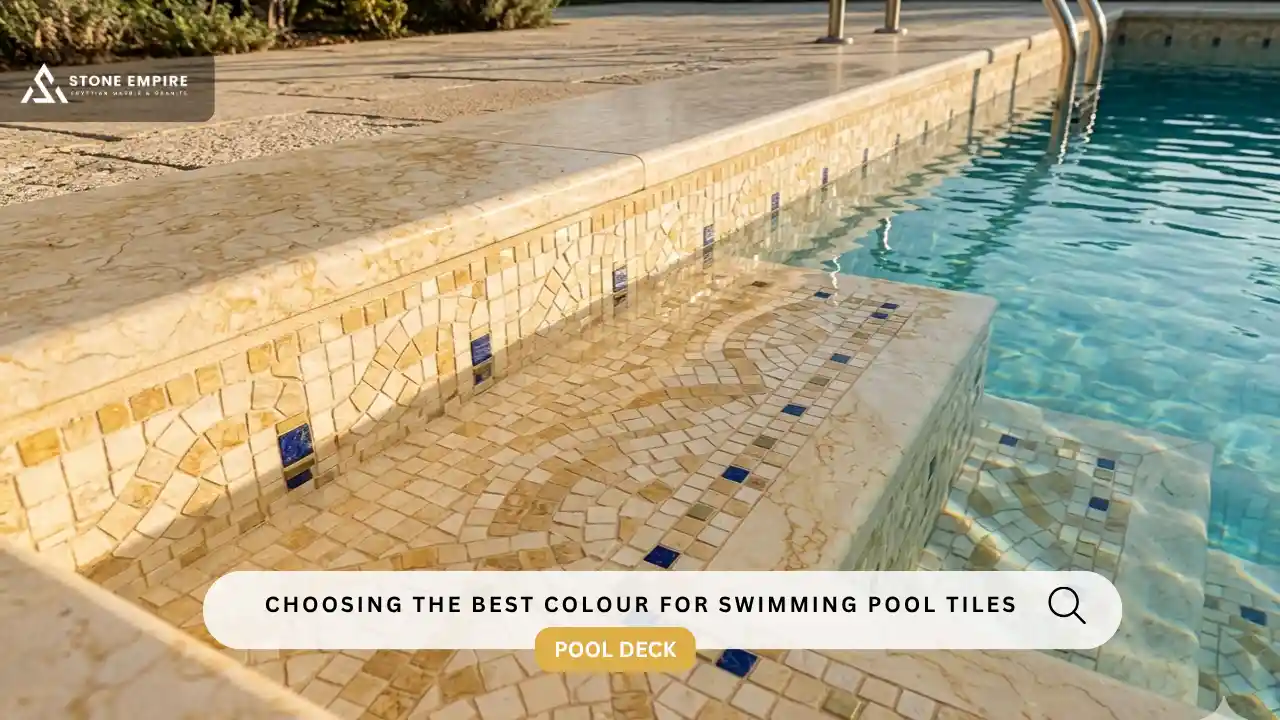
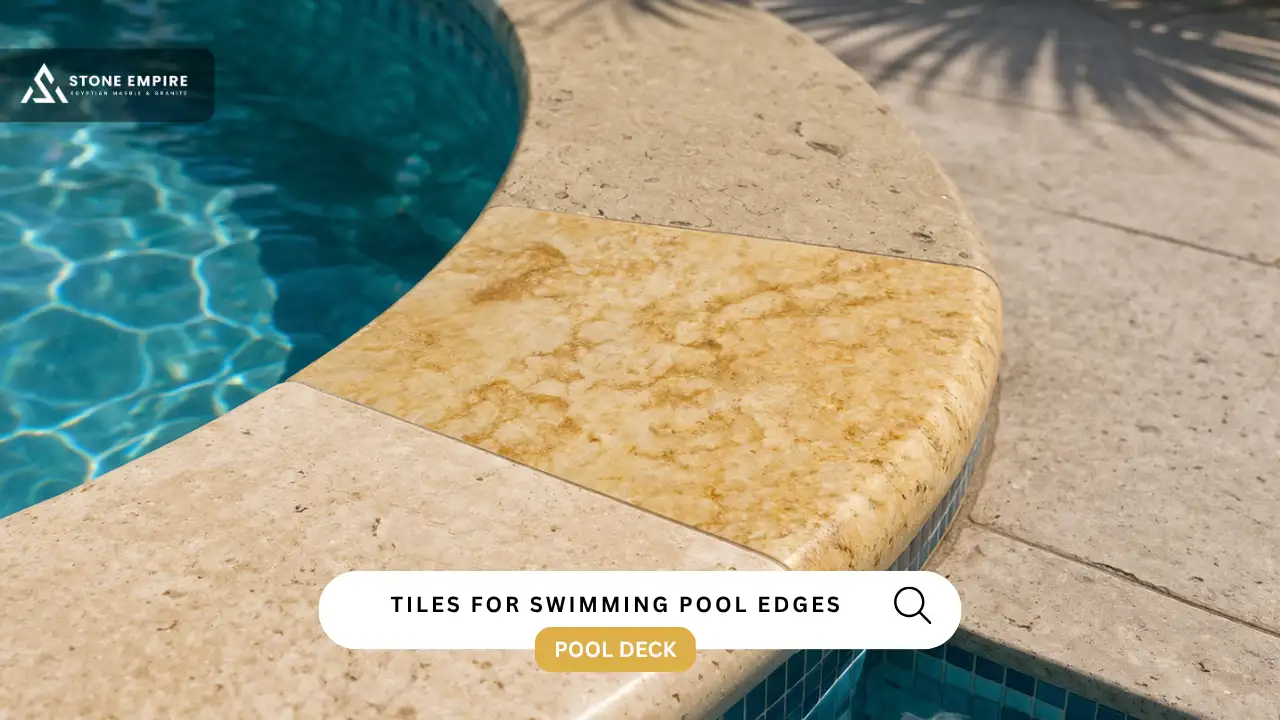
Choosing the right tiles for swimming pool edges is important for both the look and safety of the pool area. Pool edge tiles help create a clean finish around the pool, improve comfort underfoot, and support the overall outdoor design. The best option depends on the material, slip resistance, finish, and style you want to achieve. In this guide, we will explain the main types, best materials, finishes, and how to choose the right swimming pool edge tiles for your project.
What Are Tiles for Swimming Pool Edges?
Tiles for swimming pool edges are the finishing pieces installed around the top perimeter of the pool, where the pool meets the surrounding deck or paving. Their main role is not only visual. They also help create a safer transition zone, improve edge protection, and support long-term performance in a wet environment.
For technical evaluation, the important factors are slip resistance, water absorption, strength, finish type, and correct installation, not just appearance. According to HSE’s pool safety guidance and TCNA/IAPMO’s wet-walkway criteria, both support treating the pool edge as a performance and safety zone, while ASTM C373 is one of the standard methods used to assess tile water absorption.
Why Swimming Pool Edge Tiles Are Important
Swimming pool edge tiles do more than finish the pool neatly. They protect one of the most exposed parts of the structure, where water, pool chemicals, sunlight, and daily foot traffic all meet.
1. They improve safety
The pool edge is often wet, so slip resistance is essential. A proper edge profile, especially rounded or bullnose finishes, also makes the area safer and more comfortable to use.
We recommend: New Halayeb Granite in flamed finish
2. They support durability
The pool edge is constantly exposed to water, heat, UV rays, and pool chemicals, so it needs a durable material. That is why pool edge materials should have low water absorption, good strength, and strong weather resistance.
We recommend: Sinai Pearl Triesta
3. They improve the final look
The edge works like a frame around the pool. When the right material is chosen, the entire outdoor area looks more balanced, elegant, and well finished.
We recommend: Sunny Menia Marble
Types of Tiles for Swimming Pool Edges

There are different types of tiles for swimming pool edges, and the best choice depends on safety, durability, and the overall design project. In most cases, pool edge materials are selected by both material type and edge profile.
1. Marble pool edge tiles
Marble is a popular choice for clients who want a natural stone finish with an elegant appearance. Egyptian marble is widely used for pool edges because it gives the area a softer, more luxurious appearance. It works especially well in residential villas, hotels, and landscape projects where design is a priority.
2. Granite pool edge tiles
Granite is one of the strongest options for swimming pool edges. It is often chosen for projects that need higher durability, lower water absorption, and better long-term outdoor performance. Egyptian Granite is a reliable choice for pool coping, especially in areas exposed to heavy use, heat, and constant moisture.
3. Bullnose edge tiles
Bullnose tiles have a rounded front edge, which makes them one of the most common options for pool borders. This shape creates a smoother and more comfortable finish, improves safety, and gives the pool a cleaner look.
4. Coping tiles
Coping tiles are specially used to cover and protect the top edge of the pool. They create the transition between the pool shell and the surrounding deck, while also helping the pool look more complete and professionally finished.
Best Materials for Swimming Pool Edge Tiles

The best material depends on the design style, maintenance expectations, traffic level, and finish you want.
Porcelain
Porcelain remains a strong option for modern projects because it is dense, consistent, and low-maintenance. In tile standards, porcelain is classified as impervious when water absorption is 0.5% or less. Industry guidance also highlights its resistance to moisture, pool chemicals, UV, frost, and temperature changes, which is why porcelain is widely used for pool surrounds and coping.
Natural Stone
Natural stone is a stronger design choice when the goal is a more premium, architectural, and integrated outdoor look. Stoneworld notes that natural stone copings offer a timeless, organic appearance with slip-resistant textures, while Natural Stone Consulting positions natural stone pool paving and coping as a way to create a more authentic outdoor finish.
For Stone Empire Egypt, Egyptian marble and Egyptian Granite are ideal when the project needs a natural, high-value finish. Softer tones suit Galala Beige Marble are better for stronger outdoor performance. In these cases, the right finish, thickness, and edge profile matter as much as the stone itself.
Slip-Resistant Tiles for Swimming Pool Edges
1. Slip resistance standards
Slip resistance is one of the most important technical checks when choosing materials for pool edges. In Europe, pool tiles are commonly assessed using:
- DIN 51097 for barefoot slip resistance
- DIN 51130 for shod slip resistance
According to the guidance cited:
- Class B under DIN 51097 is generally suitable for pool edges and wet zones.
- Class C under DIN 51097 is more suitable for very slippery areas, such as pool steps and sloping edges.
- For surrounding pool-deck areas, R11 under DIN 51130 is often used as a useful anti-slip benchmark.
2. What this means for finish selection
These standards help explain why polished finishes are usually not the first choice for the actual pool edge. In wet conditions, textured finishes are often safer.
On Stone Empire Egypt’s site:
- The sandblasted finish is presented as practical for exterior spaces and wet zones
- A bush-hammered finish is described as safer underfoot in outdoor and wet areas
- Flamed stone is positioned as a strong-grip finish commonly used for pool surrounds and wet outdoor areas
In simple terms, even a slip-resistant surface still needs the right substrate and correct installation to perform properly over time.
Best Tile Colors and Finishes for Pool Edges
The best pool edge tiles should look attractive, feel safe underfoot, and match the overall outdoor design. In most projects, the right choice comes down to two things: color and finish.
Best colors for pool edges
- Beige and sand tones create a warm, natural look and work well in villas, gardens, and classic outdoor spaces.
- Light grey tones give the pool a cleaner and more modern appearance.
- Dark grey or black tones create strong contrast and a more contemporary style, but they can absorb more heat in direct sun.
- Soft natural stone shades are often preferred because they blend more easily with paving and landscaping.
Best finishes for pool edges
- A sandblasted finish is a practical choice for outdoor and wet areas.
- Bush-hammered finish offers a more textured surface and better grip underfoot.
- Flamed finish is a strong option for projects that need higher slip resistance and outdoor durability.
- Polished Marble is usually less suitable for pool edges because it can become slippery when wet.
In most cases, the best result comes from choosing a natural color that matches the surrounding space and a textured finish that improves safety and long-term outdoor performance.
How to Choose the Right Swimming Pool Edging Tiles
Choosing the right swimming pool edging tiles is not only about appearance. The best option should also match the pool design, perform well in wet outdoor conditions, and feel safe around daily use.
- Start with safety
- Check durability
- Match the design
- Choose the right edge profile
- Select the right material
At Stone Empire Egypt, we offer swimming pool edging solutions designed to balance appearance, safety, and long-term durability.
Explore Our Pool Edge Stone Options!
Conclusion
In the end, choosing the right swimming pool edge tiles comes down to safety, durability, and appearance. The best option should withstand wet outdoor conditions, protect the pool edge, and complement the overall design of the space. When these factors are considered together, the result is a pool edge that looks better, performs well, and lasts longer.