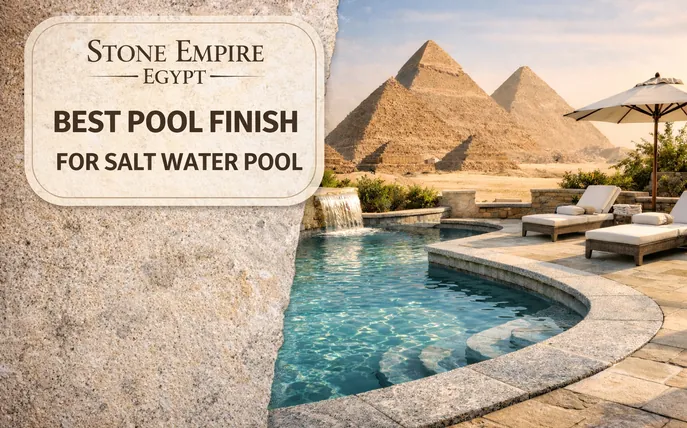
If you’re searching for the best pool finish for salt water pool, don’t focus on lifespan claims alone. Saltwater pools are still chlorine pools, and when water balance drifts, they can stress surfaces, especially at the waterline and in grout lines. In this guide, you’ll learn how saltwater affects pool finishes, which options usually perform best, and how to choose the right finish based on your budget, design goals, and maintenance habits.
Impact of Saltwater on Pool Surfaces
A “saltwater pool” is still a chlorine pool; the salt chlorine generator produces chlorine, so your surface stays in a sanitised, chemically active environment. Most scale and etching issues come down to water balance, especially pH, total alkalinity, and calcium hardness, so keeping these stable helps protect any finish
What saltwater changes in real-world durability:
Higher scaling risk when water runs scale-forming:
Salt systems (especially with heaters) can develop calcium scale faster if the water is oversaturated.
Cement-based finishes are more chemistry-sensitive:
Aggressive water can cause etching/roughness, while over-saturated water can lead to scaling and discoloration—often most visible on light interiors and at the waterline.
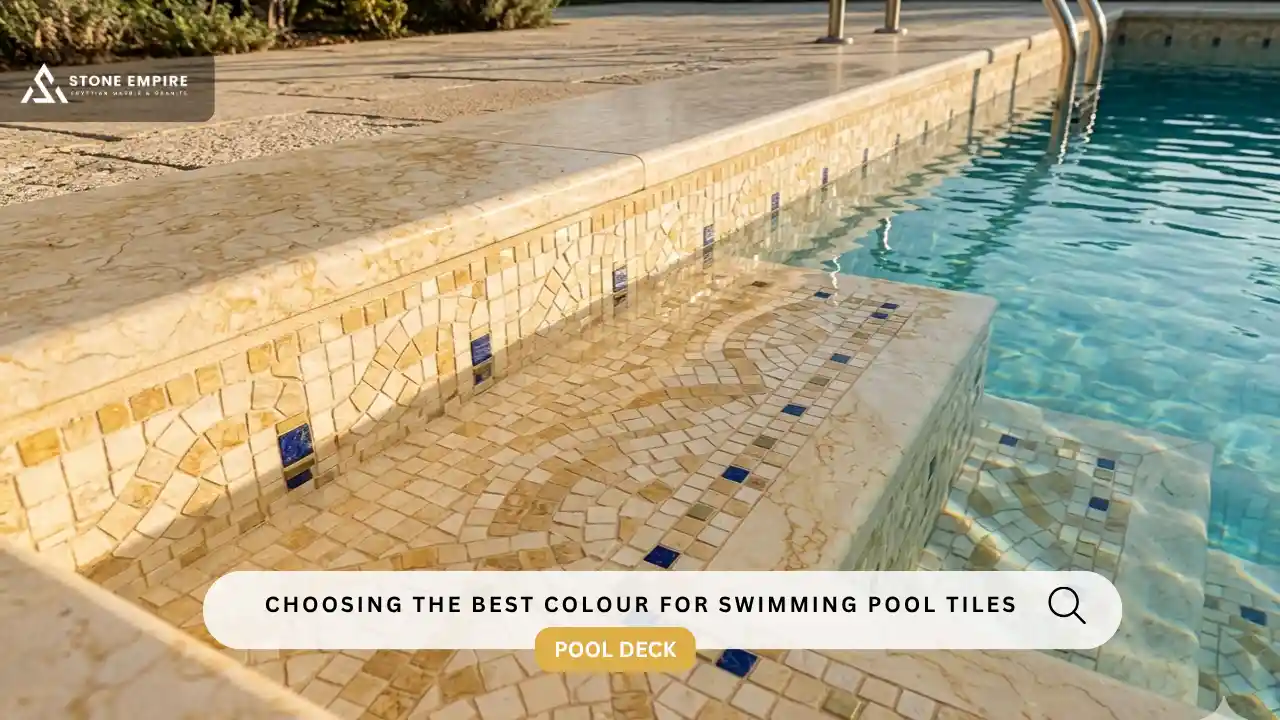
Tile holds up well, but grout is the weak link:
The tile itself is highly resistant, but long-term performance depends on grout and installation quality. For saltwater exposure, epoxy/reaction-resin grout is often specified for better chemical resistance than standard cement grout.
The first 28 days matter for new cement-based interiors:
Start-up is when cement finishes are most vulnerable to staining, scaling, and uneven appearance—frequent brushing and closely monitored adjustments help prevent early issues.
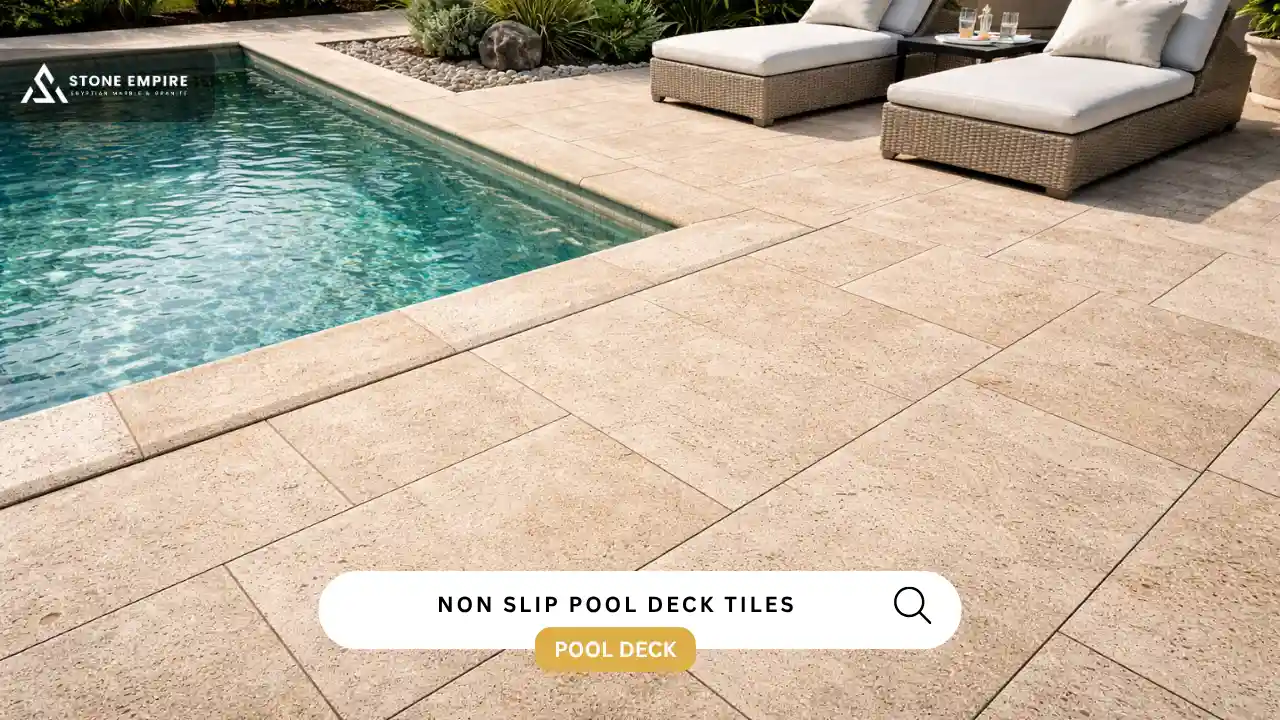
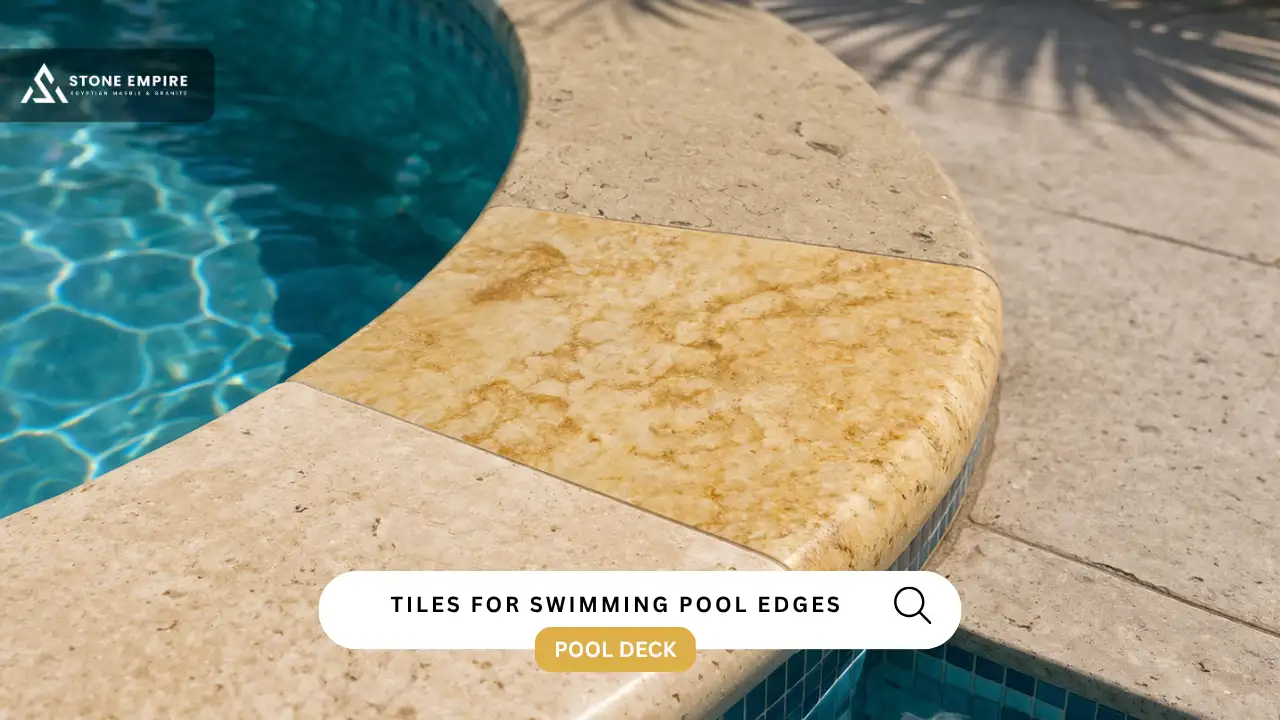
Many saltwater “wear zones” show up around the pool coping, steps, and deck edges (splash + sun + traffic). That’s where choosing the right Marble Finish Type and slip-friendly options like tumbled marble can make a practical difference.
best pool finish for salt water pool

There isn’t one perfect answer for every pool, but these finishes usually perform best in saltwater environments when installation quality and water balance are consistent.
How “best” is judged here:
chemical resistance, sensitivity to water balance, longevity potential, and maintenance demands.
1) Tile (porcelain or glass):
Why it performs well: The tile surface itself is highly durable and resistant to chemical exposure.
What to watch: Most long-term issues come from the system around the tile grout choice, bond quality, and hollow spots/voids that allow water intrusion. For saltwater pools, epoxy/reaction-resin grout is often specified for better chemical resistance than standard cement grout.
Best for: Owners prioritising maximum longevity and premium aesthetics, and who can invest in specialist pool-grade installation.
2) High-quality aggregate (pebble/exposed aggregate):
Why it performs well: Aggregate finishes usually hide wear better than basic plaster and can be more forgiving if water balance isn’t perfect every day.
What to watch: Texture underfoot and cleaning habits. Scale can still build up at the waterline and create roughness if water tends to form scale.
Best for: Long-life performance with a more practical cost than a full tile.
3) Quartz (plaster + quartz aggregate):
Why it performs well: Quartz blends often improve durability and stain resistance compared with standard plaster while keeping a more uniform look than many pebble finishes.
What to watch: It’s still cement-based start-up discipline and balanced water chemistry remain critical, especially early on.
Best for: A balance of appearance, comfort, and durability without tile-level cost.
4) Standard plaster:
Why it’s chosen: Smooth feel and budget-friendly installation.
What to watch: Plaster shows problems faster if water balance drifts—waterline scaling, etching/roughness, and discoloration are more likely without consistent care.
Best for: Tight budgets where the owner is committed to regular testing and gentle maintenance.
Choosing the Best Pool Finish for Salt Water Pool
Use this simple decision framework to choose the right finish based on durability risk, maintenance habits, and where saltwater wear shows up most.
If your priority is maximum durability with the lowest surface risk
Choose a tile with a proven pool-grade installation system.
Ask your installer about full-bed fixing (no voids), movement joints, and epoxy/reaction-resin grout for saltwater exposure.
If you want the best balance of long life and practical cost
Choose pebble/exposed aggregate or quartz (often the realistic “sweet spot”).
Commit to consistent testing and brushing—especially during the first 28 days on new cement-based finishes.
If the budget is the main constraint
Plaster can still work, but treat water balance as part of the “system.”
Plan for regular testing, scale prevention at the waterline, and gentle cleaning methods that don’t accelerate wear.
Where Stone Empire Egypt natural stone fits best
Even when the interior finish is tile/aggregate/quartz/plaster, the most visible “saltwater wear zones” are often around the pool coping, steps, overflow edges, and deck borders (splash + sun + foot traffic). This is where granite and marble can make the biggest design impact, as long as you choose the right surface texture, slip resistance, and sealing approach. Need help choosing a safe stone finish for pool coping or decking?
Request a quote for slip-resistant marble and granite options.
Conclusion
For best pool finish for salt water pool, tile usually offers the highest longevity potential because the surface is highly resistant; however, real performance depends on grout and installation quality, especially in saltwater conditions. For strong durability at a more practical cost, pebble/exposed aggregate or quartz finishes are often the best balance, as long as you maintain stable water chemistry and follow good start-up habits on new cement-based interiors.
FAQs About Salt Water Pool Finishes
1) What is the best pool finish for salt water pool for the longest lifespan?
Tile usually lasts the longest because it’s highly resistant, but grout and installation quality decide real performance. Epoxy/reaction-resin grout is commonly used for better chemical resistance.
2) Best choice if I don’t want tile cost/complexity?
Pebble/exposed aggregate is a strong, long-life option and often more forgiving than plaster. Watch for waterline scale, which can make the surface feel rough.
3) Does saltwater ruin plaster faster?
Not automatically, but plaster is the most sensitive to water balance. Chemistry drift can cause scaling, etching, and discoloration especially at the waterline.
4) What matters more: finish type or water balance?
Both, but water balance can shorten any finish. The first 28 days for cement-based finishes are critical brush often and monitor chemistry closely.
5) What natural stone works best around saltwater pools (coping/decks/steps)?
Choose a slip-resistant texture, seal properly, and match edges to foot traffic. Wet splash zones need grip and easy cleaning.
6) Can natural stone be used inside the pool?
Sometimes, but only with the right stone, system, and confirmation it’s suitable for continuous immersion. Many projects use stone best around the pool, not as the full interior.