
Marble kitchen countertops pros and cons are worth understanding before you fall for the veining. The Natural Stone Institute notes that calcareous stones (calcium-carbonate-based) are sensitive to acidic solutions, which explains why marble can etch in busy kitchens. In this guide, you’ll learn what marble handles well, what it doesn’t, and how to choose a marble type and finish that fits your kitchen style.
Can you use marble for kitchen countertops?
Yes, you can use marble for kitchen countertops, but be aware of its softness and potential acid sensitivity.
1. Know what marble is (and why it reacts)
Marble is largely made of calcite, and calcite sits at 3 on the Mohs hardness scale. (U.S. Geological Survey)
That softness is why marble can scratch more easily than harder stones.
2. Compare the “everyday durability.”
Granite is commonly described as ~6–7 on the Mohs scale, which helps explain why it tends to resist scratching better in kitchens. (Wikipedia)
Understand the most common kitchen issue: etching
Calcareous stones are acid-sensitive, so acidic foods and many cleaners can dull or mark the surface. (Natural Stone Institute)
Marble kitchen countertops pros and cons
- Pros (why people choose marble)
- High-end, timeless look (natural veining and depth)
- Every slab is unique (no two kitchens look identical)
- Designer-friendly (works with modern, classic, and luxury styles)
- Cool surface feel (many people love it for baking zones)
- Wide finish options (polished for shine, honed for a softer, more forgiving look)
- Adds perceived value in premium interiors
- Pairs well with many cabinet colors (white, wood, dark tones)
Cons (what to expect in real kitchens)
Etching is likely
Because marble is calcium-carbonate-based, acids can react with it and leave dull marks, according to the Natural Stone Institute.
Staining risk exists (especially oils/pigments)
Sealing helps, but it’s not “stain-proof.”
Scratches and edge chips can happen
The softer hardness profile (calcite at Mohs 3) is a factor, according to the U.S. Geological Survey.
Cleaning products matter
Acidic solutions are not recommended for calcareous stone.
Some everyday kitchen acids are stronger than people think
Distilled white vinegar is often around 5% acetic acid, which is enough to be risky on marble if left sitting.
It needs habits, not just installation
Wipe spills fast, use boards/trivets, and avoid harsh chemicals.

Best Types of Marble for Kitchen Countertops
At Stone Empire Egypt, we recommend choosing the best types of marble based on the veining you want and the level of daily maintenance you’re comfortable with.
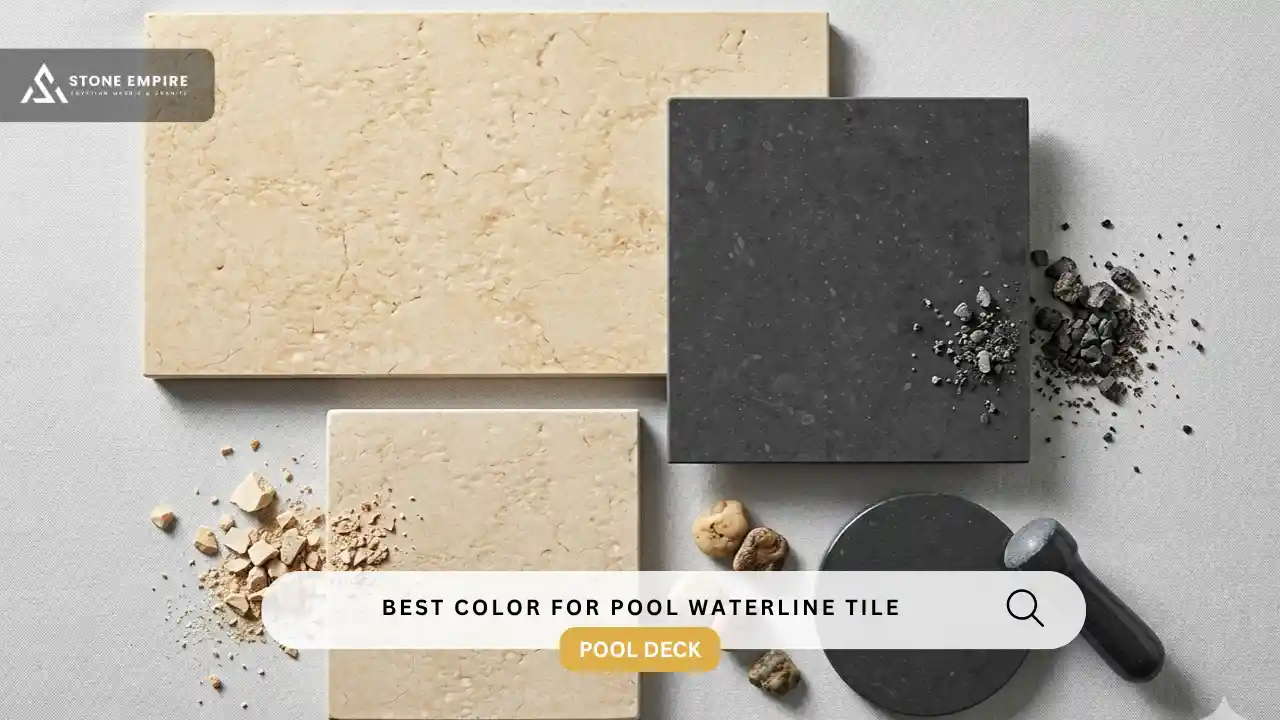
1) Warm beige marbles (often easiest to live with visually)
Sunny Menia Marble: creamy beige with subtle veining; offered in slabs/tiles and multiple finishes.
Filetto Marble: beige marble available in slabs, tiles, and cut-to-size.
Galala Extra Marble: light, elegant Egyptian options used widely in projects.
2) Dark/brown marbles (dramatic look, bold kitchens)
Meli Brown Marble: rich brown tone with subtle veining (premium aesthetic).
3) Finish choice (often more important than the marble name)
Honed: lower shine, typically looks more “forgiving” with daily marks
Polished: high gloss, shows reflections, and tends to make etches more noticeable in direct light
Edge & thickness: Thicker profiles and softer edges can reduce the “chip risk” feeling
Call for a quick quote.
Conclusion
Marble kitchen countertops pros and cons come down to priorities: if you want a natural, luxury surface and you’re okay with careful cleaning and the possibility of etching, marble can be a beautiful kitchen choice. If you want maximum scratch resistance and minimal maintenance, marble may feel demanding, especially around acids like vinegar and citrus. Choosing the right marble type, finish, and daily habits is what makes marble work long-term.
FAQs About Marble Kitchen Countertops
What are the main disadvantages of marble countertops?
The biggest disadvantages of marble countertops are etching from acids, staining risk from oils/pigments, and higher maintenance compared with harder stones.
Can you use marble for kitchen countertops every day?
Yes, but marble is acid-sensitive and softer, so daily habits (wiping spills quickly, avoiding acidic cleaners) matter.
What causes “cloudy spots” on marble?
Cloudy spots are often etching a reaction between acidic substances and calcareous stone.
Are marble countertops high maintenance?
They can be, mainly because you should avoid acidic/harsh cleaners and keep spills from sitting on the surface.
What’s the difference between real marble and cultured marble countertops pros and cons?
Cultured marble is manufactured to mimic marble; real marble is natural stone. Natural marble has unique veining, but it’s acid-sensitive because it’s calcareous.
Are beige marbles good for kitchens?
Many homeowners choose beige marbles because warm tones can look more forgiving day-to-day, and stones like Sunny Menia, Filetto, and Galala types are commonly supplied in kitchen-ready formats (slabs/tiles/cut-to-size).